

Easy Homemade Organic Apple Jam
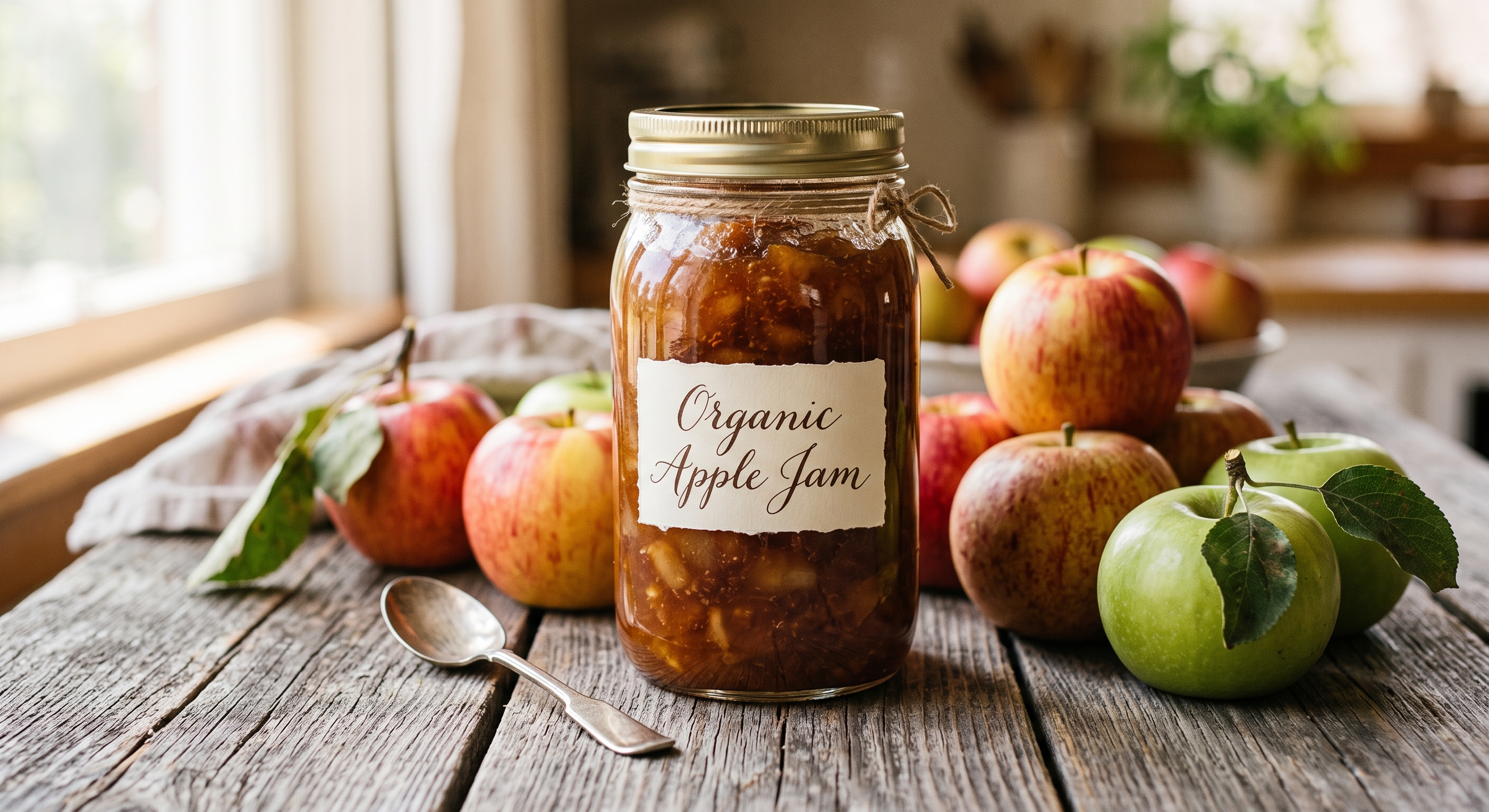
This easy organic apple jam recipe transforms crisp, fresh apples into a naturally sweet, rich fruit spread. Made with just organic apples, unrefined cane sugar, a touch of lemon juice, and warming spices, this small-batch stovetop recipe sets perfectly without the need for commercial pectin.
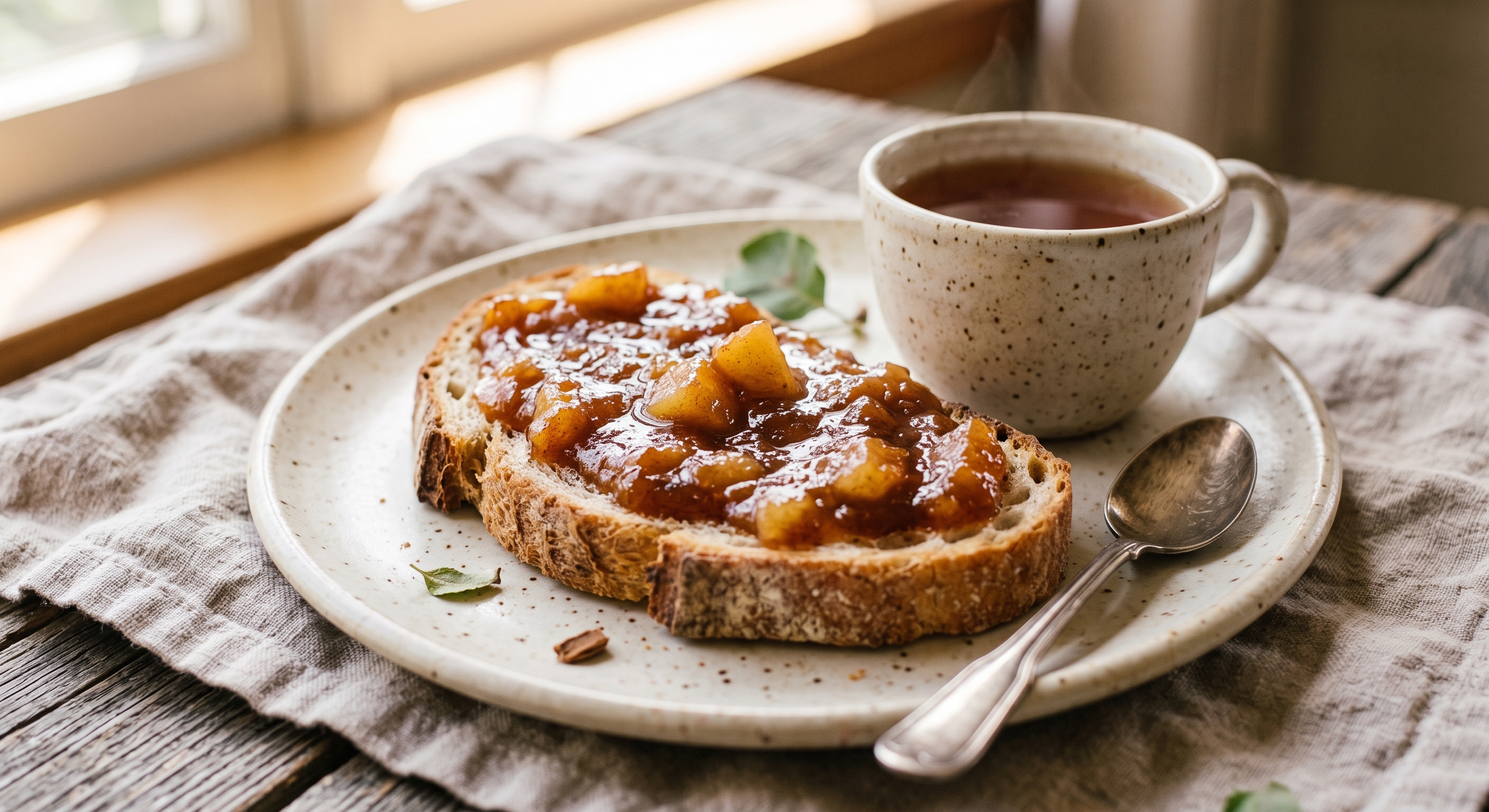
Making apple jam from scratch yields a highly spreadable, deeply flavorful preserve that captures the essence of autumn. It acts as an elevated, textured alternative to apple butter, pairing beautifully with morning sourdough toast, oatmeal, yogurt bowls, and artisanal cheese boards.
Apple Jam Recipe at a Glance
What You'll Find in This Organic Apple Jam Guide
Looking for a specific part of the recipe? Use these jump links to navigate directly to the section you need.
Organic Apple Jam Ingredients
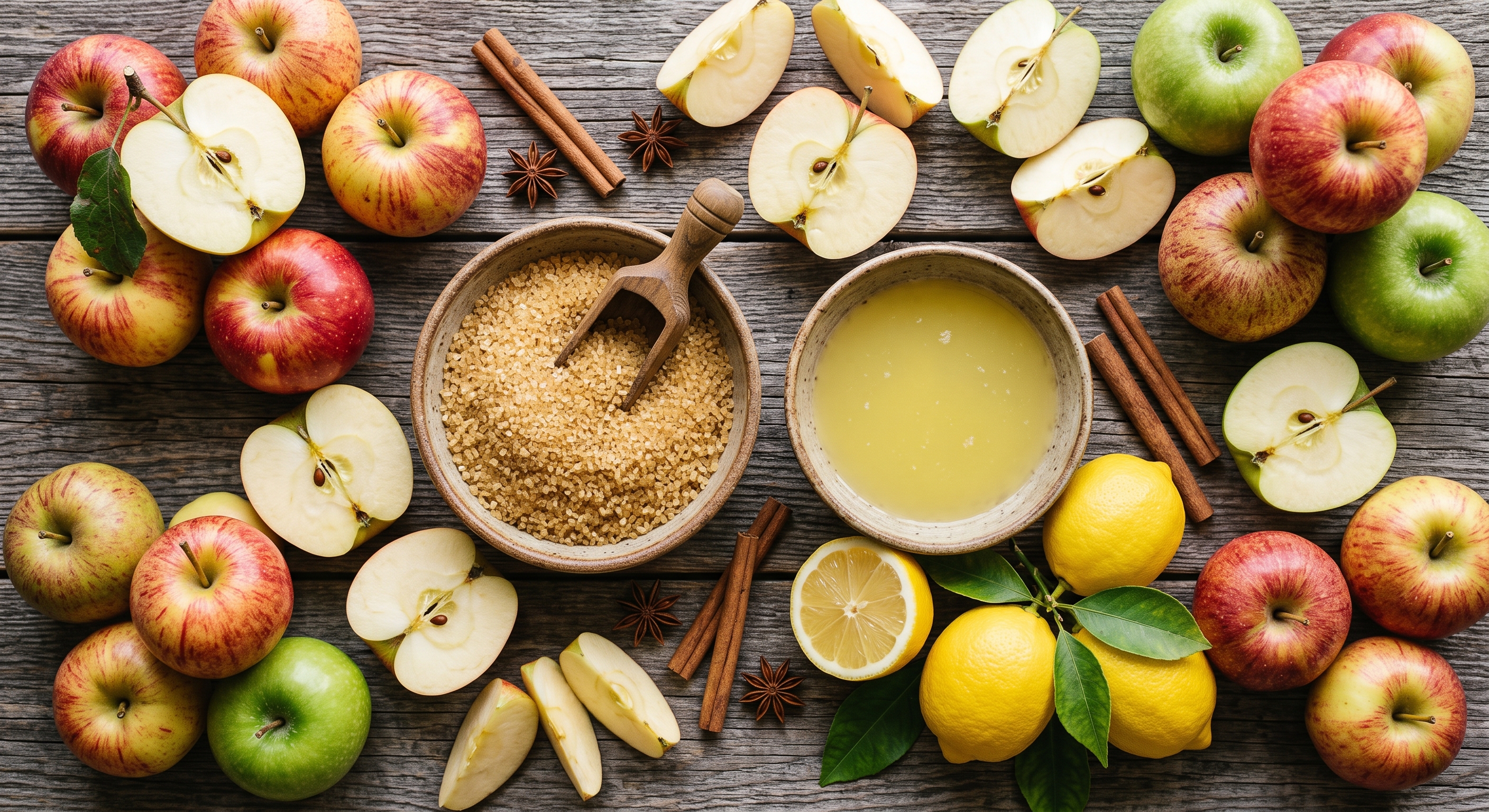
- 4 cups finely chopped organic apples (about 4-5 medium apples, peeled and cored)
- 1 ½ cups organic raw cane sugar
- 2 tablespoons organic lemon juice (freshly squeezed)
- ½ cup filtered water
- ½ teaspoon ground cinnamon (optional, for spiced jam)
Choosing the Best Apples for Jam
The foundation of semantic culinary success starts with raw ingredients. For the best texture and flavor profile, use a blend of sweet and tart organic apples.
Granny Smith and Pink Lady apples are exceptional choices because they hold their structure well and naturally contain high levels of pectin, which is essential for a proper gel set. Mixing them with softer, sweeter varieties like Honeycrisp or Fuji provides a robust, layered flavor profile. Ensure the apples are firm and free from deep bruises to maintain the purity of the jam.
How to Make Apple Jam from Scratch
Wash, peel, core, and finely chop your organic apples. A fine dice ensures the apples break down evenly, creating a spreadable texture. If you prefer a highly rustic, chunky preserve, you can leave the pieces slightly larger.
In a heavy-bottomed, non-reactive saucepan, combine the chopped apples, organic cane sugar, lemon juice, water, and cinnamon. Stir thoroughly to coat the fruit. Let the mixture rest off the heat for 15 minutes to allow the sugar to draw out the natural juices.
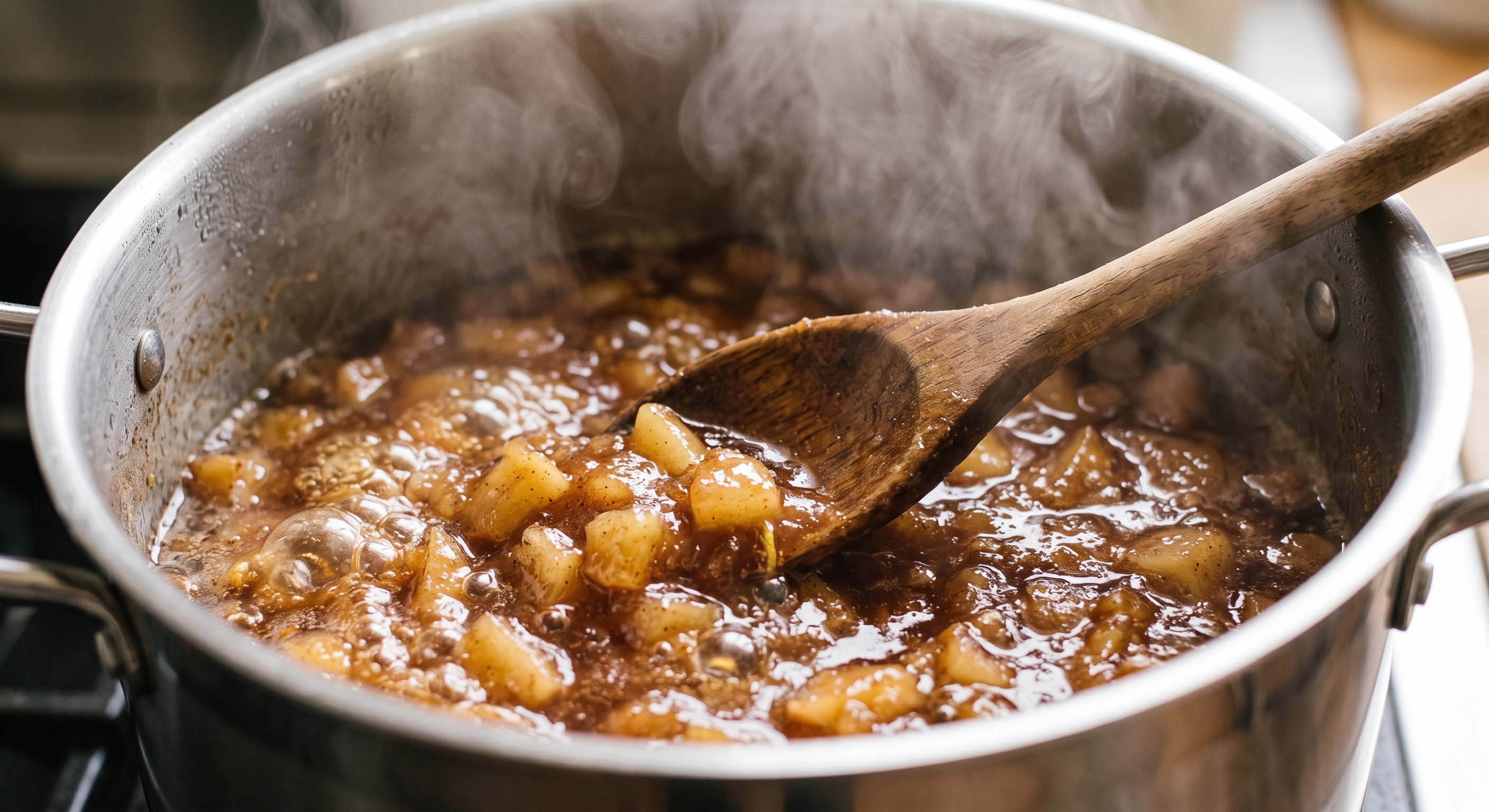
Place the saucepan over medium heat. Stir continuously until the sugar fully dissolves. Once the liquid reaches a rolling boil, reduce the heat to maintain a steady, gentle simmer.
Allow the jam to simmer for 35 to 45 minutes, stirring frequently. As the water evaporates and the apples soften, the mixture will turn a deep, glossy amber. Use a potato masher or a wooden spoon to crush some of the apples against the side of the pot to achieve your desired consistency.
Place a small saucer in the freezer before cooking. To test for doneness, drop a small spoonful of hot jam onto the chilled plate. Wait 30 seconds, then nudge it with your finger. If the surface wrinkles and holds its shape instead of running, the pectin has activated, and the jam is ready.
How to Know When Apple Jam Is Done
Because organic apples vary in moisture content, relying entirely on cooking time can be misleading. Watch for visual cues: the bubbling will slow down, the syrup will coat the back of a spoon heavily, and the fruit will look translucent. The chilled-plate test remains the most reliable method for home preservers to guarantee a perfect set.
Why Apple Jam Doesn't Need Added Pectin
Apples particularly underripe ones, and specifically the cores and peels—are one of nature's highest sources of pectin. When combined with the acid from fresh lemon juice and organic sugar, the natural pectin structurally binds the fruit puree into a thick gel. Because of this, commercial powdered or liquid pectin is completely unnecessary for apple jam.
How to Make Low-Sugar Apple Jam
Sugar acts as a preservative, a structural element, and a flavor enhancer. If you want to make a reduced-sugar organic apple jam, you can cut the sugar down to 1 cup. However, be aware that low-sugar jams will have a softer set, a shorter shelf life in the refrigerator, and a more pronounced tartness.
How to Store Homemade Apple Jam
For standard small-batch preparation, spoon the slightly cooled jam into sterilized glass jars. Secure the lids and store the jars in the refrigerator, where the jam will remain fresh for up to 3 weeks.
Creative Ways to Use Apple Jam
This organic apple jam is incredibly versatile. Beyond traditional pairings, try incorporating it into your daily menu:
- Swirled into hot oatmeal or overnight oats
- Layered in Greek yogurt parfaits
- Spread over sharp cheddar or brie on a charcuterie board
- Used as a filling for thumbprint cookies, tartlets, or crepes
- Glazed over roasted pork chops or poultry
- Slathered on warm, buttery croissants or scones
Pro Culinary Tips for the Best Apple Jam
Apple Jam FAQs
Yes. Apple skins contain high amounts of pectin and flavor. Leaving them on will give the jam a darker color and a slightly chewy, rustic texture. If you want a smooth, classic spread, peeling is recommended.
Apple jam is cooked quickly to retain the bright, fresh flavor and chunky texture of the fruit. Apple butter is slow-cooked for hours until the sugars caramelize, resulting in a dark, intensely spiced, completely smooth puree.
Yes, frozen apples work well. They break down even faster than fresh apples once they thaw. You do not need to defrost them before putting them in the saucepan; just expect the initial simmering process to take a few minutes longer.
Overcooking the jam or boiling it at too high a temperature evaporates too much water, turning the sugars into a hard candy stage once cooled. Always use the chilled-plate test to prevent over-reducing.
Final Thoughts
Crafting homemade organic apple jam is one of the most rewarding ways to practice sustainable food preservation. By leveraging the natural pectin found in fresh apples, you eliminate the need for artificial thickeners while gaining complete control over the sweetness and spice profile of your spread.
Whether you are stocking up your own refrigerator for the season or canning small-batch gifts for the holidays, this easy stovetop method delivers consistent, bakery-quality results every time.